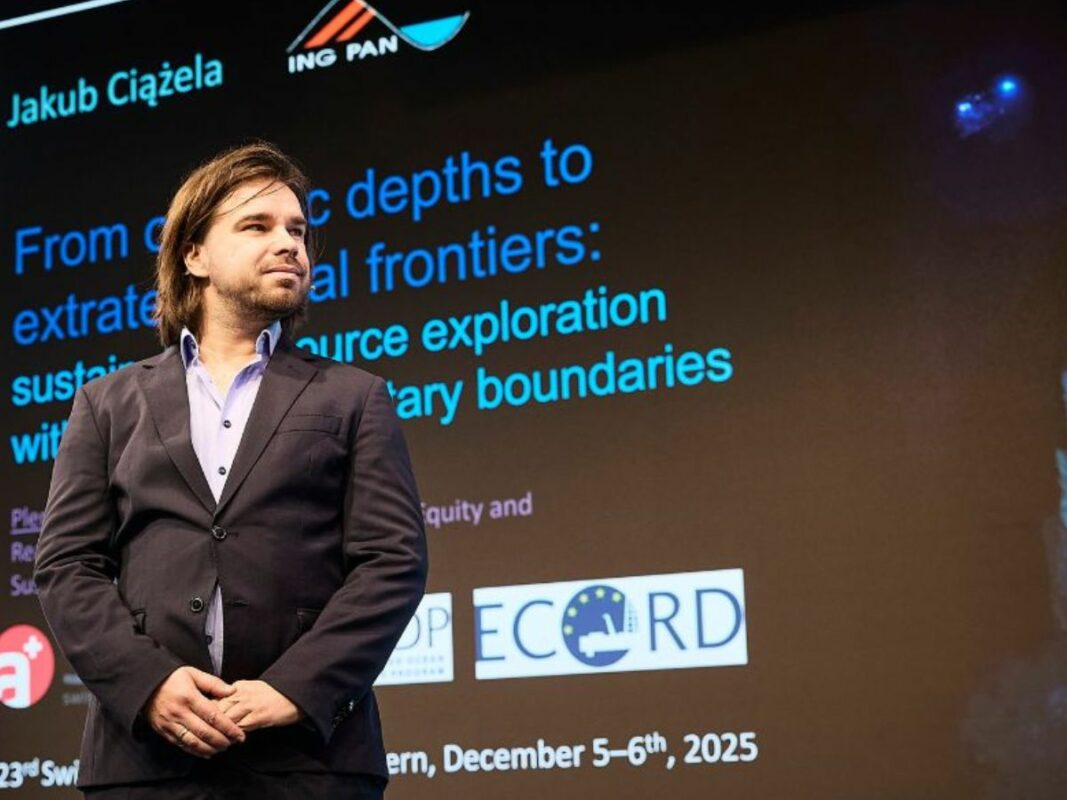
With a market value of approximately US$20,000,000 per kilogram, Helium-3 is one of the few lunar materials that can economically justify the high cost of Earth-return logistics. While recent industry headlines claim deliveries of 10,000 liters per year could start as early as 2028, MIRORES CEO Jakub Ciążela offers a more grounded perspective.
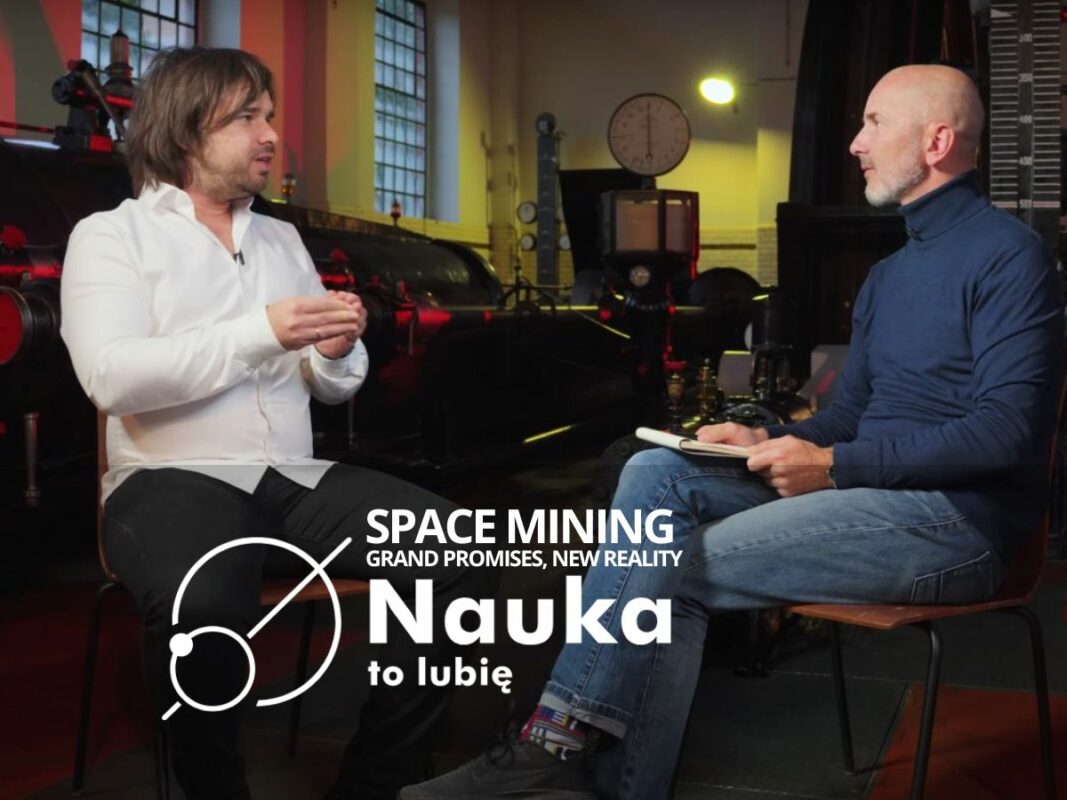
In a recent interview with Radio Wrocław, Ciążela explained that while such volumes are currently impossible today, the strategic contracting for these resources has already begun—and for very specific technical reasons.
The strategic drivers: quantum computing and fusion
The immediate demand for Helium-3 isn’t coming from the distant dream of thermonuclear energy, but from the rapidly growing field of Quantum Computing. Dilution refrigerators require Helium-3 to reach the millikelvin temperatures necessary for quantum processors to function.
While fusion energy remains the long-horizon strategic driver, the current scarcity of this isotope on Earth makes the Moon the only viable long-term source for high-tech industries.
The MIRORES role
This is where MIRORES technology becomes a critical link in the supply chain. Helium-3 is primarily hosted in ilmenite-rich regolith. To secure investment and finalize contracts, mining companies need verifiable data rather than just geological potential.
Our far-infrared (FIR) spectroscopy (17–35 μm) is specifically designed to map these ilmenite deposits. By identifying the highest concentrations of titanium-rich minerals, MIRORES converts „resource potential” into contract-ready data, providing the geological certainty required for the next decade of lunar logistics.
Shaping the lunar economy
The transition from Earth-based scarcity to lunar abundance will be the defining economic shift of the 2030s. At MIRORES, we are providing the „eyes” for the machines that will fuel the next industrial revolution.